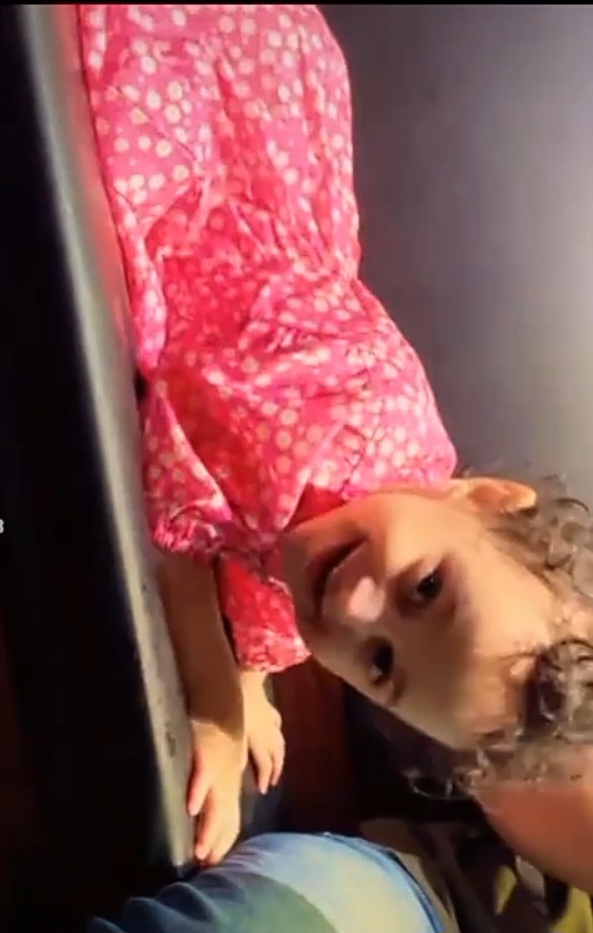
Why a Child Needs Both Parents: More Than Just Presence
In today’s fast-paced world, parenting is more complex than ever. Families come in many shapes and sizes, and each has its unique strengths. But one truth remains universal: children thrive best when both parents are involved in their lives.
Emotional Security Starts at Home
Children look to their parents as their first emotional anchors. When both parents are present and engaged, a child feels more secure, loved, and emotionally supported. This emotional stability lays the foundation for healthy child development, self-confidence, and resilience. It’s not just about being in the same house—it’s about active parenting, emotional presence, and consistent care.
Balanced Role Models
Every parent brings something different to the table. One might be more nurturing, while the other offers structure or a different worldview. These contrasts help children learn balance—how to manage emotions, handle conflict, and see the world from multiple perspectives. When children witness positive co-parenting, mutual respect, and effective communication, they internalize those behaviors and carry them into their own relationships.
Support in Learning and Growth
From learning how to ride a bike to navigating tough teenage decisions, children benefit from the support of both parents. Different parenting styles offer varied approaches to problem-solving, learning, and coping. Having both perspectives gives the child more tools to grow into an emotionally intelligent and confident individual.
The Power of Shared Love
When a child receives love from both mother and father, it reinforces their sense of belonging. They feel rooted in something steady and unconditional. Even when parents are separated, staying united in love and support for the child can make a world of difference. This kind of co-parenting after divorce or separation plays a vital role in the child’s emotional health.
Final Thoughts
Not every family situation is ideal, and many children are raised successfully by single parents or extended families. Love, commitment, and care can come in many forms. But when both parents are willing and able to participate in their child’s life, their joint presence becomes a powerful force—one that shapes not only the child’s future but the strength of the family bond as a whole.